Loose Table Strategy
Playing poker at a loose table can be a very profitable experience. However without the correct adjustments to many areas of your strategy it can also be dangerous – introducing high variance into the game.
This article looks at the different types of loose table in No-Limit Texas Holdem and discusses the important adjustments required in order to win at these tables. We start by noting that not all loose tables are the same. The main distinctions are the playing styles, between loose / passive tables and loose / aggressive tables.
I will show you how to quickly distinguish each from the statistics available in the lobby of most online poker rooms. Along with the adjustments in starting hand selection and the factors affecting pre-flop decisions are then covered. Finally I look at post flop play and the effect of your table image on your strategy for winning at loose tables.
What is a loose poker table?
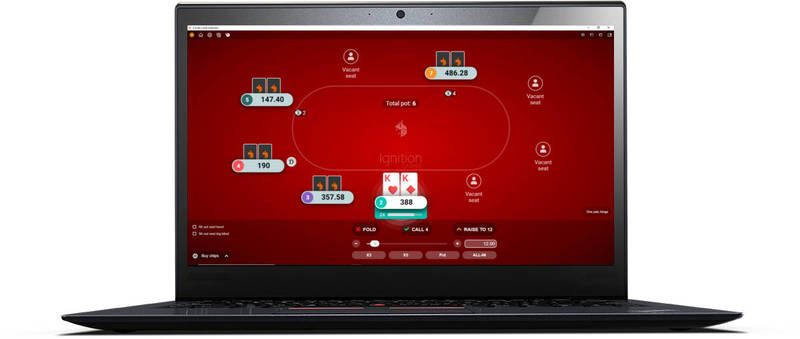
The term "loose" in poker refers to players who are willing to play a wide number of hands before the flop – the more hands played the "looser" the player. If several loose players get together a table can form where most pots are played multi-way, at least in the early stages. Here is where we need to make a distinction based on the passive or aggressive nature of the players at the table.
At a loose / passive table many players will call or limp with a wide range of holdings before the flop – creating small pots with many players still involved. At a loose / aggressive table players are more likely to raise and re-raise before the flop, creating large pots with a moderate amount of players involved.
Loose aggressive tables can easily be the most profitable tables to play at if you use the correct strategy.
These 2 types of loose table require different strategies in order to win. The important factor is knowing how to tell what kind of table you are joining before sitting down.
Using lobby figures to identify loose poker tables.
Statistics available in poker site lobbies usually show two key numbers. These are the number of players seeing each flop, and the average size of each pot. Loose tables will have anywhere between 40% and 60% of players per flop. Aggressive tables will have a much larger average pot size than the passive tables.
Strategy for playing at loose poker tables.
Strategy for playing at loose poker tables can be split up in to two sections based on the type of loose players who you are up against.
- Playing at a loose / passive table.
- Playing at a loose / aggressive table.
Loose / passive table strategy.
Strategy adjustments for loose passive tables often depend on the willingness of individual opponents to call large raises before the flop. There will usually be a gap between the hands that opponents are willing to limp and those that they will call a raise with. By their very nature passive opponents are more likely to call raises than re-raise you – so the first point is to tread carefully when you are called.
At a passive table the chances of being re-raised before the flop are smaller than at aggressive tables. This means it is possible to limp with more hands that have high implied odds value such as small pairs and suited connectors. These types of hands play well in multi-way pots.
After you flop a monster hand be careful not to blow your passive opponents out of the pot with big raises. Unless the board is particularly draw-heavy you should instead pick a bet size (see bet sizing) that is likely to be called – building the pot gradually so as to be paid the maximum.
The main problem with playing at passive tables is that it is slightly harder to build big pots.
Playing premium pairs at a passive table should usually involve raising to thin the field. Too small a raise can easily induce several of your loose opponents to enter the pot behind you with speculative holdings. This can be a disaster for a pair of aces if a dangerous flop comes. The ideal strategy to win at a loose / passive table is to become tight and aggressive – yet limp in with those hands with high implied-odds value as the situation warrants.
Loose / aggressive table strategy.
Loose / aggressive tables play completely differently. Here the only time you will be able to play small pair or suited connector type hands is when you close the betting – that is to say you are the last person to call a raise before the flop comes. In early position these hands should be folded as there is too much danger of a raise and a re-raise behind you.
Premium pairs can be played strongly at a loose / aggressive table, though for different reasons compared to the loose / passive example. Here you are looking to get a large amount of money into the pot before the flop, preferably against a single opponent. The higher chance of a re-raise (or even a 4th raise all-in) makes playing these hands positively a profitable move.
Your strategy after the flop will also depend on the aggressiveness of your loose table. Loose passive players will often call with draws, sometimes as little as a gut-shot straight. Betting enough with a made hand to make their draws unprofitable by giving them poor pot odds will win money over time.
Observing that a loose / passive player only ever bets out when they made their draw can win you even more – by allowing you to get away from a 2nd best hand as the situation requires. At a loose passive table you will get many free cards to make your own drawing hands, take them – a bet is often too likely to be called to function as a semi-bluff.
With a drawing hand after the flop at a loose / aggressive table you will have less chance to take a free card. Opponents are likely to bet whether they hit the flop or not. Here a bet, particularly in position may be your best strategy. Even an aggressive opponent is likely to check to you after the turn – in which case you can take a free river card to try and complete your draw if required.
Table image at loose tables.
Finally, your own table image and betting style will affect your strategy when playing at a loose table. If you have been playing loose poker yourself then resist the temptation to suddenly check when you hit a monster hand.
There are 2 reasons for this, firstly observant opponents may suspect something is amiss – since you did not bet when you usually do. Secondly, you have missed a chance to get some more money into the pot, and so increase the size of bets on future betting rounds.
Loose table strategy evaluation.
To summarize, winning at a loose table involves adjusting your strategy depending on whether the players are loose / passive or loose / aggressive. Hands are played differently both before and after the flop depending on the nature of your loose opponents. Your position at the table and your table image are other factors that also affect your strategy in winning at loose tables.
Go back to the awesome Texas Hold'em Strategy.
Comments